
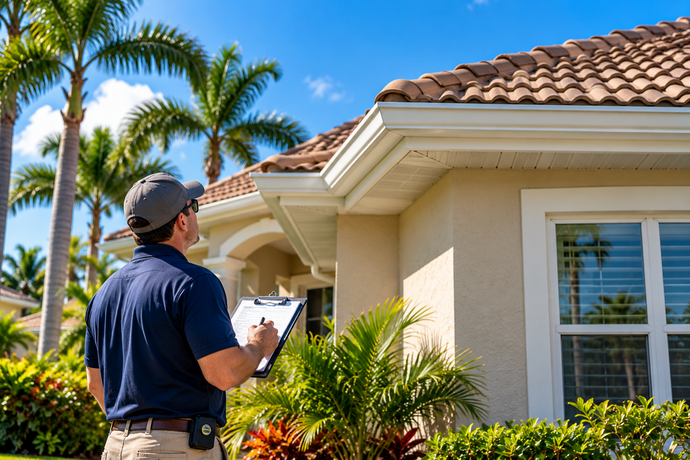
Wind mitigation inspections are common in Florida and can play an important role when homeowners shop for homeowners insurance. The inspection documents certain features of a home that may help it withstand damage from high winds and hurricanes.
For Florida homeowners, understanding what a wind mitigation inspection looks for—and how insurers may use the information—can make the insurance process easier.
What Is a Wind Mitigation Inspection?
A wind mitigation inspection evaluates specific construction features designed to help a home resist wind damage. The inspector documents these features and typically provides a report that can be submitted to an insurance company.
The inspection is different from a general home inspection. Rather than evaluating the overall condition of the property, a wind mitigation inspection focuses specifically on features related to wind resistance.
What Does a Wind Mitigation Inspection Look For?
A Florida wind mitigation inspection may document features such as:
- The age and type of the roof covering
- How the roof deck is attached to the home
- The type of roof-to-wall connections
- The shape of the roof
- Whether a secondary water resistance feature is present
- Protection for windows, doors, and other openings
The specific characteristics documented on the inspection can affect how an insurance company evaluates the home's wind-mitigation features.
Can a Wind Mitigation Inspection Lower Homeowners Insurance Premiums?
Qualifying wind-mitigation features may make a Florida homeowner eligible for certain insurance premium credits or discounts. The amount, if any, depends on the characteristics documented in the inspection and how the insurance company applies available credits.
A wind mitigation inspection does not guarantee a particular premium or discount. Insurance companies have their own underwriting requirements, rates, eligibility guidelines, and applicable policy terms.
How Long Is a Florida Wind Mitigation Inspection Valid?
Wind mitigation reports are commonly used for a limited period, but homeowners should confirm current requirements with their insurance company or licensed insurance professional. A new inspection may also be useful after significant improvements such as a roof replacement or the installation of qualifying opening protection.
When Should You Consider Getting a Wind Mitigation Inspection?
You may want to discuss a wind mitigation inspection with your insurance advisor when purchasing a home, shopping for homeowners insurance, replacing your roof, installing hurricane protection, or reviewing an existing policy.
If you already have a wind mitigation report, keep a copy available when requesting homeowners insurance quotes.
Wind Mitigation Inspections and Florida Homeowners Insurance
A wind mitigation inspection is only one part of the homeowners insurance process. Insurance companies may also consider factors such as the age and condition of the home, roof characteristics, prior claims, location, construction type, and other underwriting information.
Insurance Scout Partners works with Florida homeowners to compare coverage options from multiple insurance companies and identify the information that may be needed during the quoting process.
Need Help With Your Florida Homeowners Insurance?
If you're buying a home, replacing a roof, reviewing your current coverage, or simply trying to understand your insurance options, our licensed advisors can help you compare available homeowners insurance options.
Learn more about our Florida Homeowners Insurance options or contact Insurance Scout Partners for assistance.
Visit our Florida Insurance Knowledge Center for more guides about protecting your Florida home and understanding your insurance options.
Related Florida Insurance Guides
- What Is a 4-Point Inspection in Florida?
- Understanding Hurricane Deductibles in Florida
- How Does Your Roof Affect Homeowners Insurance in Florida?
- Replacement Cost vs. Actual Cash Value