
Don't Miss This Article:
Florida Wind Mitigation Inspection Guide
Wind mitigation inspections are common in Florida and can play an important role when homeowners shop for homeowners insurance. The inspection documents certain features of a home that may help it withstand damage from high winds and hurricanes.
For Florida homeowners, understanding what a wind mitigation inspection looks for—and how insurers may use the information—can make the insurance process easier.
Insurance Scout Partners helps Florida families and businesses make confident insurance decisions through trusted education and expert guidance.
Whether you're buying a home, protecting a business, reviewing your current insurance, or preparing for hurricane season, you'll find trusted Florida insurance resources designed to help you make informed decisions
Explore the detailed guides below for practical tips and answers to Florida's most common insurance questions.

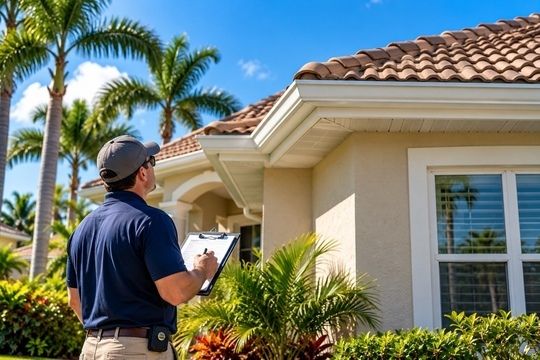
Homeowners Insurance
Coverage, roof requirements, inspections, water damage & more.
Florida Wind Mitigation Inspection Guide
Learn what a wind mitigation inspection reviews and how it may affect the homeowners insurance process in Florida.
What Is a 4-Point Inspection in Florida?
Learn about the roof, electrical, plumbing, and HVAC systems reviewed during a Florida 4-point inspection.
How Does Your Roof Affect Homeowners Insurance in Florida?
Learn how roof age, condition, materials, inspections, and documentation may affect the homeowners insurance process in Florida.
Understanding Hurricane Deductibles in Florida
Learn how Florida hurricane deductibles work, how percentage deductibles are calculated, and what homeowners should review before hurricane season.
Auto Insurance
Coverage options, claims, discounts & Florida driving laws.
What Auto Insurance Is Required in Florida?
Learn Florida's minimum auto insurance requirements, including PIP and Property Damage Liability, and what additional coverage drivers may want to consider.
What Is PIP Insurance in Florida?
Learn how Florida Personal Injury Protection (PIP) insurance works, what it may cover, important claim requirements, and why Florida drivers are required to carry it.
Uninsured Motorist Coverage in Florida: What Drivers Should Know
Learn how uninsured motorist coverage works in Florida, what it may protect against, and why drivers should consider UM coverage when reviewing their auto insurance.

Flood Insurance
Flood zones, FEMA, waiting periods & coverage.
Does Homeowners Insurance Cover Flood Damage in Florida?
Learn how homeowners and flood insurance handle different types of water damage, what flood insurance may cover, and why Florida property owners should understand the difference.
Commercial Insurance
Protect your business with customized insurance solutions.
What Is a Business Owners Policy (BOP)? A Guide for Florida Businesses
Learn what a Business Owners Policy (BOP) covers in Florida, including liability, property, and business income insurance. Explore coverage options.
Commercial Property Insurance: Protecting Florida Business Buildings
Learn how commercial property insurance protects Florida businesses from covered building damage, storms, and property losses. Explore coverage options.
Cyber Liability Insurance: Protecting Florida Businesses From Digital Threats
Learn how cyber liability insurance helps protect Florida businesses from data breaches, ransomware, and cyberattacks. Explore coverage options and get a quote.
Florida Workers' Compensation Insurance: Requirements and Coverage Explained
Learn about Florida workers' compensation insurance requirements, employee benefits, and coverage options. Protect your business and request a quote.
General Liability Insurance: What Florida Business Owners Should Know
Learn how general liability insurance helps protect Florida businesses from injury claims, property damage, and lawsuits. Explore coverage options and get a quote.
Frequently Asked Questions
Florida Home Insurance
Market value reflects what a home may sell for, including land and location. Rebuild cost focuses on the estimated cost to repair or reconstruct the structure using similar materials and labor.
Personal property coverage refers to belongings inside the home, such as furniture, clothing, and electronics. Items are valued based on defined methods and limits.
Liability protection relates to situations where a homeowner may be responsible for injury or property damage involving others. It is typically included as part of a standard homeowners policy.
Loss of use refers to situations where a home becomes temporarily uninhabitable. It is associated with additional living arrangements and related expenses.
Dwelling coverage refers to the portion of a policy that relates to the structure of the home itself. It is based on the estimated cost to repair or rebuild the home using similar materials.
Florida Car Insurance
Actual cash value generally reflects a vehicle’s value at the time of loss, considering factors like age and depreciation. Replacement cost refers to the amount needed to replace an item with a similar one.
A policy endorsement is a modification that changes or adds to the terms of an insurance policy. It can be used to adjust coverage, limits, or conditions.
Endorsements become part of the policy once issued and may affect how coverage applies.
Coverage limits are the maximum amounts defined in a policy for different types of claims. These limits can apply per person, per accident, or per type of loss. Selecting appropriate limits is an important part of structuring a policy.
Uninsured and underinsured motorist coverage is intended to provide protection when another driver has no insurance or not enough coverage. It is typically subject to your policy’s limits and terms, and availability or requirements can vary.
Gap insurance can help cover the difference between a vehicle’s value and the remaining balance on a loan or lease. It is commonly associated with financed or leased vehicles. Availability and terms vary by policy.
Florida Business Insurance
Businesses often evaluate factors like revenue, physical assets, contracts, and overall risk exposure when selecting coverage. Industry standards and contractual requirements may also play a role. Coverage decisions are typically based on how much risk a business is prepared to retain.
Businesses often review coverage during key changes such as growth, new services, hiring, or location changes. Even without major changes, periodic reviews can help keep coverage appropriate for current operations and risk exposure.
Business size can influence the type and amount of coverage considered. Factors such as revenue, number of employees, and operational complexity may affect overall risk exposure. As a business grows, its insurance needs often evolve.
Businesses may reduce risk through safety programs, employee training, maintenance practices, and clear operational procedures. Risk management efforts can help limit exposure and improve overall stability.
Operational changes, such as adding services, expanding locations, or adopting new processes, can shift a business’s risk exposure. These changes may prompt a review of existing coverage.